
How to Distinguish Between Authentic and Adulterated Spices

Spices are the heart of Indian cooking, adding rich flavor, aroma, and vibrant color to every dish. However, not all spices available in the market are pure. Many products are adulterated with fillers, artificial colors, or low-quality substitutes to reduce cost. Knowing how to identify authentic spices helps you protect your health, enhance taste, and ensure you are using truly pure spices in your kitchen.
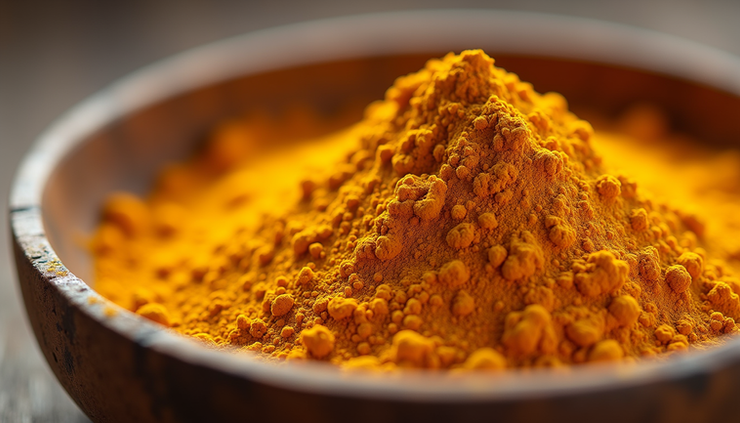
Why Authentic Spices Matter
Genuine spices deliver the full flavor, aroma, and health benefits they are known for. In contrast, adulterated spices may contain starch, chalk powder, sawdust, or even harmful chemicals. These substances dilute the spice’s potency and may cause allergic reactions or long-term health issues.
Choosing high-quality spices from trusted sources ensures safety, better nutrition, and support for farmers who follow ethical practices. For example, selecting products from reliable brands like VeeDInt helps ensure purity and authenticity in everyday cooking.
Common Types of Spice Adulteration
Understanding how spices are adulterated helps you detect poor-quality products:
Color adulteration: Artificial dyes added to enhance appearance
Weight adulteration: Fillers like flour or starch are mixed to increase the quantity
Substitution: Replacing premium spices with cheaper look-alikes
Chemical adulteration: Synthetic substances used to mimic natural properties
How to Identify Authentic Spices at Home
You can perform simple tests to check whether your spices are genuine.
👀 Visual Inspection
Authentic spices have a natural, uniform color
Extremely bright or dull shades may indicate artificial coloring
Look for foreign particles such as fibers, stones, or lumps
👃 Smell Test
Fresh spices release a strong, characteristic aroma
Weak, musty, or chemical smells indicate low quality or adulteration
👅 Taste Test
Pure spices have a rich, complex flavor
Bland or unusual bitterness suggests fillers or poor processing
💧 Water Test
Add a small amount of spice to water
Pure turmeric settles at the bottom while lightly coloring the water
Bright red or orange water may indicate artificial dyes
🔥 Heat Test
Heating releases natural oils and aroma
Chemical or unpleasant smells suggest adulteration
Specific Examples of Authenticity Tests for Popular Spices
Turmeric
Pure turmeric settles in water and leaves a yellow stain on the skin
Artificial color may dissolve quickly in water
Red Chili Powder
Authentic chili powder has a pungent smell and a natural red color
Artificial dyes may bleed rapidly in water
Black Pepper
Genuine peppercorns release a sharp aroma when crushed
Fake or filled peppercorns may float in water
Cardamom
Fresh pods are green with dark, aromatic seeds inside
Pale or weak-smelling pods may be old or inferior
Tips for Buying Pure Spices
Buy from trusted brands or verified sellers
Check packaging, labeling, and expiry dates
Prefer whole spices over powders when possible
Avoid loose spices from unknown vendors
Store spices in airtight containers away from heat and light
You can explore high-quality options from trusted sources such as VeeDInt’s authentic spices collection for reliable purity and freshness.
When to Seek Professional Testing
If you suspect serious adulteration or want to verify spice purity, professional labs can test for contaminants and adulterants. This is especially important for bulk purchases or commercial use.
Comments